
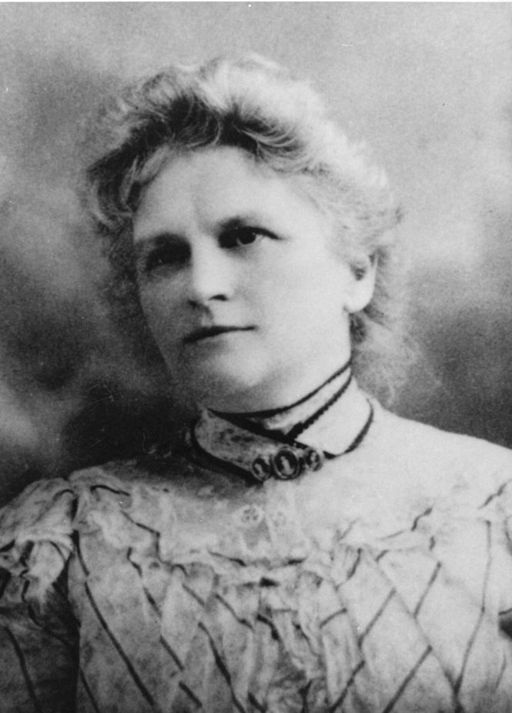
Kate Chopin was born in 1851 in the USA. She married at twenty and, before she was thirty, had six children. Her husband’s business failed. He got a job where he managed other people’s houses and opened a shop. This did not make enough money, however, to pay his debts and, when he died, Chopin was left penniless and moved back with her mother, who soon died too.
The Story of an Hour – Kate Chopin
 Kate Chopin was born in 1851 in the
USA. She married at twenty and, before she was thirty, had six children. Her
husband’s business failed. He got a job where he managed other people’s houses and opened a shop. This did not make enough
money, however, to pay his debts and, when he died, Chopin was left penniless
and moved back with her mother, who soon died too.
Kate Chopin was born in 1851 in the
USA. She married at twenty and, before she was thirty, had six children. Her
husband’s business failed. He got a job where he managed other people’s houses and opened a shop. This did not make enough
money, however, to pay his debts and, when he died, Chopin was left penniless
and moved back with her mother, who soon died too.
Chopin started writing to forget her sadness and to make money for her children’s education. She wrote novels at first. However, Chopin’s feminist ideas were before their time and people thought the book was immoral. She turned to short stories, but never made much money from these either.
She died in 1904.
The Story of an Hour
He knew that Mrs.
Mallard had heart trouble and, so, he was very careful when he told
her that her husband was dead. Her sister, Josephine, gave her the news,
slowly, in broken sentences. Her husband’s friend, Richards, was there too. He
was a journalist and was working at his newspaper office when the news arrived
about the train accident. Brent Mallard’s name was at the top of the list of
people killed. Richards immediately hurried to the Mallard house and told
Josephine. They did not want Mrs. Mallard to get the information from a
newspaper or from other friends.
 Mrs. Mallard
cried in her sister’s arms. It was a storm of tears. But soon she went to her own room. She
wanted to be alone. She sat in a comfortable armchair, so tired, so hopeless.
She could see out the window the tops of trees, green with new spring leaves.
The delicious smell of rain was in the air. There were bits of blue sky showing
here and there
through the clouds.
Mrs. Mallard
cried in her sister’s arms. It was a storm of tears. But soon she went to her own room. She
wanted to be alone. She sat in a comfortable armchair, so tired, so hopeless.
She could see out the window the tops of trees, green with new spring leaves.
The delicious smell of rain was in the air. There were bits of blue sky showing
here and there
through the clouds.
She sat with her
head back, not moving, except when she cried once or twice. She was young, with
a beautiful, calm face. But now there was a lifeless look in her eyes.
But there was
something coming towards her. What was it? She waited. She did not know: the
thought was unclear. She could not catch it. But she felt it, coming out of the
sky, coming towards her in the sounds, the smells, the colours that filled the
air.
At first, she did
not want to welcome the thought. She could not accept it. But then her lips
moved and her voice said: “Free, free, free!” Her eyes were bright now. Her
blood was moving quickly. Every inch of her body was relaxed.
 She knew that she
was going to cry when she saw her husband’s dead hands on his chest, when she
saw his handsome, kind face, not moving but grey. But she also saw many years
in the future that were hers. She opened her arms to them. Now she could live
her life. There was nobody to tell her what she must do. But she loved Brent –
sometimes. Why did it matter? Love was not as important as freedom.
She knew that she
was going to cry when she saw her husband’s dead hands on his chest, when she
saw his handsome, kind face, not moving but grey. But she also saw many years
in the future that were hers. She opened her arms to them. Now she could live
her life. There was nobody to tell her what she must do. But she loved Brent –
sometimes. Why did it matter? Love was not as important as freedom.
"Free!"
she kept whispering.
Josephine was in
front of the closed door, asking to come in. "Louise, open the door!
Please, open the door — you will be ill. What are you doing, Louise? Open the
door."
"Go away. I
am not ill." No; she was drinking in life through that open
window. Spring days, and summer days, and all sorts of days were her own now.
She wanted a long life. Only yesterday she did not care.
At last, she got
up and opened the door. She held her sister's hand, and together they went down
the stairs. Richards was waiting for them at the bottom.
Someone was opening
the front door with a key. It was Brent Mallard. He was never near the train
accident. He did not even know about it. He was shocked by Josephine's scream.
Richards tried to stand between him and his wife.
But Richards was
too late.
When
the doctors came they said she had died of heart disease — died
of the happiness that kills.