
Water is a major component of our natural environment. Everything we do by way of exploiting or managing it ((Chapter 7) has impacts on the environment. Analysis of the impacts of water pollution thus presents a formidable task and considerable challenge. Silt and sand are by far the major water pollutants in terms of quantity. Production of biomass by aquatic organisms, soil erosion, and refuge discharge all contribute to this problem. Addition of salts and metals from highway, farm runoff and industrial activities also damage water quality. Toxic chemical wastes have become an increasing water pollution problem in industrialized countries, Chemicals from agricultural fields and industrial units
Introduction
Water is a major component of our natural environment. Everything we do by way of exploiting or managing it ((Chapter 7) has impacts on the environment. Analysis of the impacts of water pollution thus presents a formidable task and considerable challenge. Silt and sand are by far the major water pollutants in terms of quantity. Production of biomass by aquatic organisms, soil erosion, and refuge discharge all contribute to this problem. Addition of salts and metals from highway, farm runoff and industrial activities also damage water quality. Toxic chemical wastes have become an increasing water pollution problem in industrialized countries, Chemicals from agricultural fields and industrial units have been released into surface waters and are seeping into aquifers- underground water reservoirs. Surface runoff and sewage outfalls discharge fertilizers, pesticides, organic nutrients, and toxic chemicals that have a variety of negative effects on the marine environment, particularly on the ecosystems. Eutrophication can also occur in oceans, not just in lakes. In terms of human health, the most serious water pollutants worldwide are disease causing (pathogenic) organisms from human and animal wastes.
Appropriate land-use practices and careful disposal of agricultural, industrial, domestic and municipal solid wastes are essential for better control of water pollution. Natural processes are quite effective to remove most water pollutants, but these systems are now overloaded or ineffective because of the high level of water pollution. Effective sewage treatment systems are greatly in need that can purify polluted water before it is released to the environment. Although the municipal sewage treatment is effective in removing organic material from waste water, the sewage sludge is often contaminated with metals and other toxic industrial materials. Reducing the sources of these substances is the best way (solution) to deal with our pollution problems.
Water-related environmental problems have also been discussed in detail in other chapters. For example, Agro-ecosystems (irrigation problems) have been discussed under Chapter 5, Land Degradation (top soil and river bank erosion and consequences of silt deposition) also discussed under Chapter 5; Freshwater Ecosystems (availability, consumption and scarcity) under Chapter 7, the Biodiversity under Chapter 9 (addressed the implications of shrinking dry season water area) and the Natural Disaster (floods, storm surges etc.) under Chapter 16. This chapter deals with water quality including inland surface, coastal, oceanic and ground water, and their pollution problems. Efforts have been made to discuss the concept of water pollution, describe the sources and effect of some major pollution types. Attention has also been given to address questions such as what pollutes water, where do the pollutants come from, and what effects do they have? What are the water pollution problems in streams, lakes, oceans, and groundwater? How can we prevent and reduce water pollution?
Water Quality
The concern over water quality
relates not only to the water itself, but also to the level of danger involved
in diffusion of toxic substances into other ecosystems. There is variation of
inland surface water quality due to seasonal variation of rainfall, river flow,
operation of industrial units and use of agro-chemicals. Overall, water quality
in the monsoon season is within tolerable limit as standard set by the Ministry
of Environment. However, such quality degrades in the dry season. The saline
water intrusion in the Southeast region and industrial pollution around major
cities, particularly in the rivers of Buriganga (Dhaka), Karnaphuli (
‘Quality’ is a term that is used in comparative in sense, and relative in meaning. Water quality means many things to many people. Generally, it refers to characteristics or attributes of water- good or bad which is related to its acceptability for certain purposes or uses. From a technical point of view, these characteristics usually defined in terms of appropriate physical, chemical and biological parameters (preferably ones that can be measured quantitatively) in respect of its suitability for a given purpose. In other words, water quality is something which is not audible, visible and perceptible (except in some cases), but can be comparable with the aid of indicators. Chemically pure water (H2O) consists 2 parts of hydrogen and 1 part
of oxygen. Normally, pure or good water should be clear, colorless, odorless, cool, soft and free from toxic pollutants, suspended matter or sediments. However, water is rarely found in a pure state. Rainwater, although is generally soft and pure, is contaminated by the surface air. The important foreign ingredients in water may include organic matter originating from microscopic plants, detritus of fruits and vegetables, parasites and animal debris; it may also contain dissolved nutrients, toxic trace elements, air pollutants and synthetic organic pollutants resulting from anthropogenic activities. The quality of water is determined by various parameters (Table 12.1). Relative choice of one set or another of these parameters would depend primarily in the purpose for which its use is intended i.e. domestic, municipal, industrial, agricultural, fisheries operations, wildlife conservation or recreational purposes (e.g. swimming, boating, canoeing etc.).
Table 12.1: Parameters
for Evaluation of Water Quality
Trace Elements
Alkalinity Aluminium
Biological Oxygen Demand (BOD) Arsenic
Fecal coliforms Barium
Dissolved Oxygen (DO) Cadmium
Hardness Chromium
Odour Iron
pH Lead
Salinity Manganese
Temperature Mercury
Total dissolved solids Selenium
Turbidity Silver
Boron Tin
Chloride Cobalt
Fluoride Copper
Nitrate Zinc
Phosphate Radioactivity
Phenols Pesticide
Source: Khnnan, 1995
Selected Parameters of Water Quality
Certain parameters that are basically important in determining the quality of a water body are examined here briefly
Color: Pure water has no color but its changing condition may affect the quality of sunlight that penetrates to a given depth inhabiting plant and animal metabolism. Most of the industrial wastes discharged into water bodies have pronounced colors mainly due to colloidal particles, substances in solution, decaying vegetation, organic matter, organic dyes, inorganic salts, and other inorganic complexities- compounds.
Taste: Vegetation, algae,
decomposed organic material, minerals and salts, industrial effluents
containing Fe, Mn, chlorine and phenols
impart typical tastes and odour to water that are unpleasant and undesirable. For
example, phenol produces a bitter taste at 7 ppm. Manganese, oils,
hydrocarbons, petroleum products, synthetic detergents, pesticides etc. produce
characteristic tastes in water. The decomposed organic matter, algae, fungi,
bacteria, and pathogens generate peculiar taste.
Odour: Odour pollution of water is caused mainly by both chemical agents (such as hydrogen sulphide, free chlorine, ammonia, phenols, alcohols, hydrocarbons) and biological agents (such as algae, fungi, micro-organisms etc.). The lower the PH value of water, the higher will be the H2S produced and greater will be the odour nuisance (like rotten egg). Certain organic and inorganic compounds of nitrogen, sulphur, and phosphorus present in sewage cause foul odour in polluted water. Micro-organisms like oscillatoria and rivularia cause muddy odour, whereas algae Anabaena produces grassy odour, and protozoa Dinobryon imparts fishy odour to water. The amount of water that is needed to dilute and neutralise the disagreeable odour conditions is taken as a quantitative measure (threshold number) of odour intensity.
Temperature: Water solubility, chemical reactions and odour are influenced by temperature, which is normally subject to diurnal variations but may also be implicated by human activities. Chemicals of huge quantities may get dissolved in water at higher temperatures. Sedimentation, chlorination processes and biochemical oxygen demand (BOD) reactions are temperature dependent. A rise in temperature may increase the odour and colour of a water body by enhancing the evaporation of water. Moreover, at high temperatures, fecal coliforms may die rapidly in the water environment giving rise to odour. Low water temperature can potentially interrupt the water purification process and decrease the effectiveness of chlorination.
Turbidity: Turbitity denotes the cloudiness of a water body due to the presence of organic and inorganic particulate matter. It is resulting from soil erosion, fine suspended and insoluble particles, colloidal matters (e.g. clay, silt, sand, silica and calcium carbonate) or they may be organic matters such as algae and plankton, oils, fats and greases) that become unsuitable for industrial purposes and also for domestic use (because Fe, Mn, Ni, Co, Pb, Sb, Bi etc. present in it may cause stains on cloths, sinks and baths). Turbidity also causes undesireable tastes and odours, apparent colour, and affects the process of photosysthesis for algal growth in lakes and ponds. Turbid water may be undesirable for recreational purposes.
Total suspended solid (TSS): TSS in water can include a wide variety of materials, such as silt, decaying plant and animal matter, industrial wastes and sewage that can be trapped by filter. High TSS in surface water can often mean higher concentration of bacteria, nutrients, minerals and metals in water. These pollutants may attach to sediment particles during percolation of water and be carried into ground water table. In the water, the pollutants may be released from the sediment or travel further down stream. The suspended particles in water can potentially block a portion of the sunlight from penetrating deeper (reaching the bottom of the water column and thus reduces the food for fish).
Total dissolved solids(TDS) and salinity: TDS are the total mineral content of the water. The total dissolved solids (TDS) in water primarily include chlorides, inorganic salts- nitrates and sulphates of calcium, magnesium, potassium, sodium (cations) etc,, carbonates, bicarbonates of Na, Mg, Ca, K etc. , metals and small amount of organic matter. A high concentration of TDS is an indicator of possibly high volume concentration. although not all dissolved substances are undesirable. About 500-1000 mg/L is good for domestic use. Some of these constituents are good nutrients but excess concentrations are harmful. Sodium in irrigation water is toxic to plants and causes problems in soil structure, reducing the water infiltration and permeable capacity. Excess dissolved solids in drinking water can cause psychological effects, impalatable mineral tastes and thus required further treatment of water, TDS affect the electrical conductivity water.
Dissolved oxygen (DO): Dissolved oxygen is a measure of the ability of a water body to support a well-balanced aquatic life. DO is absorbed by water from the atmosphere and natural water has a DO content of 8-10 mg/L depending on its temperature. DO make the water taste good; a minimum of 4-5 mg/L is essential for fish and aquatic life. Surface water is likely to have DO due to greater surface area in contact with atmosphere. Surface water will have more DO due to larger surface area in contact with atmosphere. When DO is sufficiently present in a water body, organic wastes are degraded effectively (as organic wastes utilize DO for biological decomposition); under such conditions, for example carbon becomes CO2 and sulphur becomes SO4 and nitrogen forms ammonia and nitrates. Inorganic materials also utilize DO in the process of biochemical oxidation e.g. ammonia to nitrate in natural waters. Such a conversion of ammonia reduces the chlorine demand of waters and increases the disinfection efficiency of chlorination. On the other hand, when the Do in water is insufficient (to facilitate microbial activity) this leads to the onset of anaerobic conditions and subsequent release of odorous/ noxious gases such as methane is released from carbon, amines result from nitrogen and the foul-smelting hydrogen sulphide (H2S) from sulphur.
Phenols: These may arise from the distillation of coal and wood, from oil refineries, chemical plants, livestock dip, human and other organic wastes, from hydrolysis, chemical oxidation or microbial disintegration of certain pesticides and from several other natural substances and man-made sources. Phenols are toxic to aquatic life and create odour problems. A water quality criterion of 1 micro gram/L is suggested.
Acidity, Alkalinity and pH: Acidity is caused by CO2, mineral acids and salts from strong acids. On the other hand, alkalinity of a water sample refers to its capacity to neutralize acids. Radicals such as carbonates, bicarbonates, hydroxides and phosphates contribute to increases in alkalinity. Alkalinity is important for aquatic life because it acts as a buffer, and control pH fluctuations. A pH value indicates the
nature and intensity of water towards acidity or alkalinity. A pH value also denotes the concentration of hydrogen ions in the solution, expressed as Log 10 [1/H]. The pH scale (Table 12.2) contains values ranging from 0 (strongly acidic) to 14(strongly basic). Since pH value of 7 indicates neutrality, 0 - < 7 acidity, and > 7 – 14 alkalinity, and 6-8 is desirable. To be specific, some authors prefer the pH range of 6.7-8.6 as more acceptable. A drop or a raise in pH of water bodies beyond this range would indicate a tendency of pollution stress of some kind. These alterations could be aided by effluents from chemical industries and fertilizer plants or by secondary pollutants such as acid rain. Naturally, the pH of a body of water is basic when young, and it becomes more acidic with time. In other words, the pH of a water body drops as it ages Aquatic life is more sensitive to pH
Table 12.2: The pH Scale with some examples
Behaviour pH value Examples
Very strongly acidic 0 5% sulphuric acid
Strongly acidic 2 Lemon juice
Weakly acidic 4
Neutral 7 ‘Pure’ water
Weakly basic 8 Body fluids
Strongly alkaline 10 Milk of magnesia
Very strongly alkaline 14 4% caustic soda
Source: Khnnan, 1995
Hardness: The bicarbonates, chlorides and sulphates (mainly metallic cations Ca, Mg, Na) dissolved in water are primarily responsible for water hardness. The salts of iron and manganese may also contribute to the water hardness. It is classified as carbonate (temporary hardness caused by bicarbonates which can be removed by heating) and non-carbonate hardness (permanent hardness caused by sulphates and chlorides). The sum of these two types of hardness called total hardness (TH) of a water sample, usually expressed as ppm of CaCO3 and generally contains more than 150 mg/L of this item. Normally, water hardness does not pose any direct health threat except economical ones. Drinking water supplies contains TH values below 250 ppm are considered acceptable, whereas water with TH value >500 ppm is considered hazardous to human health. Hard water reacts with soap; when used for cleaning or or washing purposes, the detergents soaps form an undesirable curd. Moreover, the salt present in hard water can easily get deposited alongside water pipes, cooking utensils and water heaters causing inconvenience and maintenance problems.
Toxic chemicals : Many toxic chemicals of industrial origin are poisonous to humans. These chemicals affect through direct contact or through inhalation and intake as food. Humans can ingest severely damaging or fatal quantities through repeated exposure, or by consuming plants or animals in which these compounds have accumulated. Toxic chemicals containing Zn, Cu, Pb, As, Ba, Cd, Cr, Hg, Ni, Se, Th in water may cause damage to internal organs of human body (kidney, liver, brain etc) and create complexity in neurological functions; can result in reproductive problems and birth defects; and can also be carcinogenic. Quantities and length of exposure necessary to cause these effects vary widely. Foe example, benzene and asbestos are known carcinogens linked to leukemia and lung cancer. Common toxic chemicals include residues of pesticides and a very large group of various organic compounds including benzene, toluene, zylene, chlorothane and chloromethane. Carbon tetra chlorides, Vinyl chloride, Cyanides, Phenol, Chlorinated hydrocarbons, etc. are also highly toxic. Presence of iron in water imparts bad tastes, leaves stains on cloths and is responsible for bacterial growth.
Other chemicals: Chlorides of Ca, Mg and Na are highly soluble and are present commonly in natural water. This is a compound resulting from the combination of the gas chlorine and a metal. Excessive concentration may be due to either sea water intrusion or contamination from domestic sewage or industrial wastes. In the existence of fluoride bearing rock formations, ground water is likely to have excessive concentrations. Industrial effluents also contribute fluoride compounds to water sources. Sulphates: Calcium, magnesium and sodium sulphates are generally found to be present in water. Nitrates: Decomposed organic matter (from sewage) or fertilizer from agricultural drainage may join different water bodies, resulting in excessive nitrates. Phosphates: These are nutrients, excessive concentrations of which cause algal growth in lake and reservoirs.
Faecal Coliform: Water generally contains millions of various micro-organisms, although mostly are harmless, at times some may also contain pathogenic germs. Faecal pollution and sewage contamination are some of the frequently-encountered problems associated with bacteriological impurities of water. It is difficult and time consuming to test for the presence of disease causing bacteria. So, non-pathogenic bacteria (coliform group such as the genera Enter bacteria, Erwiana, Escherichia and Klebsiella) are measured to reliably indicate water contamination from faecal matter (domestic sewage) as they abundantly exist in the intestines of human beings. In fact, bacteria of the coliform group are considered as excellent indicators of faecal pollution; it is for this reason they are widely used as indicators of water quality. There is a possibility of spreading of water-borne diseases in the community affecting human populations in short time. So, faecal coliforms in drinking water should be removed completely.
Although all of the above parameters and their characteristics determine the quality of water body, it is often difficult to propose the suitability of a body of water for one purpose or other, based on available information. However, these various parameters once quantified can be put together to identify the quality of water in a body or source. Such an approach is possible through the calculation of an index
The quality of water in any aquatic environment depends on a number of things including physical, chemical and biological processes acting alone or interacting with one another. The levels of pollution concentration depend not only on the amount of pollutant released and disposed of into the aquatic environment but also on the amount present in the water body. Thus, the water quality characterization must take into consideration the following determinants.
·
Type and character of pollutant
·
Volume of pollutant released
·
Rate of effluent discharged
·
Nature of water course, and
· Velocity of flowing water
Some types of pollutants are biodegradable where others are not (e.g. lead or chemicals such as dioxin and PCBs). Furthermore, there are different types of water bodies and interactions (geo-chemical and biological) vary according to their types. For example, a flowing river will naturally have water rich in oxygen. Fast flowing rivers are more capable of purifying themselves than lakes or ponds. The velocity of water flow in a river determines how the released pollutants can be purified. A turbulent river dilutes and removes pollutants more easily than a sluggish river. Sedimentation takes place readily in sluggish water while a swift river is more likely to carry the pollutant further down. Such a river with a high velocity of water has high oxygen content. This is simply because water tumbling over rocks mix with oxygen of the atmosphere. Rainfall affects the concentration of pollutants in aquatic environment in two ways: i) by washing down land pollutants into watercourses as surface runoffs (maximizing the amount of certain types of pollutants in the water) and ii) by increasing the volume of discharge of water in different types of water bodies (dilute specific types of pollutant already present there).
Water Pollution Defined
Definitions on water pollution are abundant, but it is essentially an alteration in physical, chemical and biological characteristics of water which may cause harmful effects on aquatic biota. In other words, any physical, chemical or biological change in water quality that adversely affects living organisms or makes water unsuitable for desired (designated) uses in its natural state can be called water pollution. As clarified by the World Health Organization (1966), foreign substances, either from natural or anthropogenic sources, contaminated with water supplies, may be harmful to life because of their toxicity, reduction of normal oxygen level of water, aesthetically unsuitable and spread epidemic diseases.
In fact, water in the natural state is not totally pure; it contains certain amount of dissolved and suspended impurities. Since these are normally present in small quantities, pollution is insignificant. There is a difference between pollution of water and contamination of water. Pollution is a general term and contamination is the specific term used to indicate pollution. Contamination makes water unsafe, unreliable and totally unfit for the best uses e.g. drinking. The polluted water is often objectionable to human senses such as sight, odour, feel, and taste, but contaminated water is not expected to be apparently objectionable. Coloured water, saline water, bad smelling water, oily and greasy water all are the examples of water pollution where water containing harmful pathogenic bacteria is an example of water contamination. In most cases, however, water pollution may go undetected, as there is no visible change in the physical
appearance of water. This is why pollution by toxic chemicals may not be easily detected until it had afflicted a large section of the population using the water.
Classification of Impurities
Water pollution may be classified into a number of categories. Depending upon their nature, impurities present in water may be categorized as (i) physical, chemical, and bacteriological, (ii) suspended, colloidal, dissolved, (iii) organic and inorganic materials , and (iv) mineral, salts and toxic chemicals. Group one (i) is discussed briefly as follows:
Physical Impurities: The physical pollution of water is caused mainly by several chemical agents such as chlorine, sulphur dioxide, hydrogen sulphide, phenols etc. These bring about changes in water quality with regard to its colour, odour, taste, density, turbidity and thermal properties. For example, chlorination of water usually converts phenol to ortho or para chloro phenol that makes water taste like medicine and produces offensive odour.
Chemical Impurities: The chemical pollution of water causes changes in pH value- acidity and alkalinity, dissolved oxygen, and other gases in water. This may be attributed either by organic or inorganic pollutants or by both. The organic pollutants can be biodegradable (such as proteins and fats from domestic sewage, tanneries and slaughter houses; carbohydrates, sugars, starch from food processing plants and sewage and food processing plants) or non-biodegradable (e.g. herbicides, pesticides, fungicides, insecticides etc) that are used in protecting agricultural products and persist in the aquatic system for a long time. Several gases, toxic metals and compounds can also be included under inorganic pollutants category.
Biological Impurities: Biological pollution is caused by man and animals. Birds of various species also degrade water. Biological pollution is also brought about by bacteria, viruses, algae, diatoms like protozoa and plant toxins. Contaminated water often create infections of the intestinal tract (e.g. dysentery, cholera, typhoid etc), polio and infectious disease like Hepatities.
Sources of Water Pollution
Pollution control standards
and regulations often distinguish between point and non-point sources of
pollution. Point sources are easily identifiable and originate typically in the
urban areas. Factories, power plants, sewage treatment plants, underground coal
mines, offshore oil wells, and oil tankers are classified as point sources, simply because they discharge pollutants at specific locations
through pipes, ditches or sewers into bodies of surface water.. Since these
sources are discrete and identifiable, they are easier to monitor and regulate.
In most LDCs, such discharges are largely uncontrolled, however, it is possible
to divert or treat the effluent before it enters the environment. In contrast, non-point sources are sources that
cannot be traced to any single site of discharge (often difficult to identify).
They are usually large, scattered or diffused, and poorly defined areas that
pollute water by runoff, subsurface flow or atmospheric deposition. In the
Water Pollution by Types (Pollutants) and Effects
Pollutants are chemical, physical or biological agents that exert undesirable effects on human health and the environment. Water is polluted by an array of different types of pollutants. Although the types, sources and effects of water pollution are often interrelated, it is more useful and convenient to segregate them into major categories (Table 12.1) for discussion. Table 12.2 presents pressures and impacts related to water.
Table 12.1: Major Categories of Water Pollutants
Category (with examples) Major Sources
Pathogens: Bacteria, viruses,
parasites Human
excreta
Organic chemicals: Pesticides,
detergents Industrial
and farm use
Inorganic chemicals: Acids,
salts, metals Industrial
effluents, surface runoff
Plant nutrients: Nitrates,
phosphates Agriculture,
fertilizers, sewage, manure
Oxygen Demanding Wastes:
Animal manure Sewage,
agricultural runoff, food processing plants
Sediment: Silt Soil
erosion, land degradation
Radioactive substances:
Uranium, radon Mining
and processing of ores, weapon production
Thermal: Heat Power plants, industrial cooling
Table: 12.2: Pressures and Impacts related to Water
Pressures Impacts
Pathogens (infectious agents): Most water borne diseases are caused by pathogenic micro-organisms. The most serious water pollutants in terms of human health worldwide are caused by disease-causing organisms known as pathogens, which include bacteria, viruses, protozoa, and parasitic worms. The main source of these infectious agents is from domestic sewage and untreated human and animal wastes. When such sewages are discharged into water bodies without treatment, contamination of water occurs with resultant danger to man and aquatic life (Table 12.3). Among the most important waterborne disease are gastroenteritis, typhoid, cholera, bacterial dysentery, polio and infectious hepatitis (jaundice). The disease causing organisms present in the faces of infected people get ultimately mixed with water supply spreading chronic diseases. In LDCs, they kill an average of 13,700 people each day, half of them children under age 5.
Table: 12.3: Types of Pathogens and Effects
Types of Organisms Diseases Effects
Bacteria:
Bacillus typhosum Typhoid fever Severe
diarrhea, vomiting, enlarged spleen;
Bacillus paratyphosum Paratyphoid fever Diarrhea and vomiting; inflamed intestine;
Bacillus dysenteriea Bacterial dysentery Diarrhea, rarely fatal except in
infants;
Vibrio cholera Cholera Diarrhea and
severe vomiting, dehydration;
Viruses:
Liver infecting
virus Infectious hepatitis Fever, severe headache, loss of
appetite;
Polio virus poliomyelitis abdominal pain, enlarged
liver; jaundice;
Virus by mosquitoes Yellow
fever rarely fatal
but may caused liver damage;
Protoza:
Entamoeba histolytica Amoebic dysentery Severe
diarreha, headache, abdominal pain,
Fever,
chills, bowel perforation; fatigue;
Parasitic worms:
Schistosoma Schistosomiasis Abdoinal pain, skin rash, anemia, fatigue;
Algae: Euglena Gastroenteritis Diarreha,
inflamed intestine
Genetic Pollution (Exotic Species): Genetic pollution occurs when aquatic systems are disrupted by the deliberate or accidental introduction of exotic species. Introduced marine species usually spread through canals linking bodies of water. Sometime, they are introduced deliberately (mostly small ones such as phytoplankton) to enhance fishery production.
Oxygen-Demanding Wastes: In chemical composition, waste can be divided into two types: organic and inorganic. The organic component can be of non-biodegradable (persistent) in nature or biodegradable organic compounds such as domestic sewage. The non-biodegradable organic substances persist in the water system for a long time and passes through the food chain, ultimately going through human body. The example of chlorinated hydrocarbons can be cited here, which is highly persistent and carcinogenic. The biodegradable wastes are decomposed by the bacterial population present in water, which in turn, deplete oxygen from the water (for this degradation oxygen dissolved in water is consumed). This is harmful to aquatic organisms that may die because of low levels of dissolved oxygen in water. Dissolved oxygen (DO) is the amount of oxygen dissolved in a given quantity of water at a particular temperature and atmospheric pressure. Amount of dissolved oxygen depends on a number of things including photosynthetic aeration, activity in water, respiration of animals and plants and ambient temperature.
The biodegradable organic component of wastes through its degradation creates several hazardous situations in the water system, such as depletion of dissolved oxygen (DO), production of odorous gases, changes in pH etc. Such pollutant is also called oxygen demanding organic wastes since the wastes can be decomposed by aerobic (oxygen-requiring) bacteria. Oxygen demanding substances can remove large amounts of DO from water, causing changes in their flora and fauna composition. DO is a fundamental requirement for the maintenance of life of all living organisms in a water. A water body is said to be polluted when the DO level falls below a certain level (minimum concentration necessary for sustaining a normal biota for that water). This type of wastes may originate from both point and non-point sources, such as sewage treatment plants, food processing industries, paper mills, leather-tanning factories, leachates from municipal landfills and agricultural runoffs, mainly containing carbon, oxygen, hydrogen and nitrogen. When discharged into a water body, large population of aerobic bacteria present in the water decompose the complex organic compounds into simpler substances or components by a process known as biochemical oxidation. This is done largely with the help of DO contained in the water. These wastes can deplete dissolved oxygen in the water. The concentration of DO varies depending on the temperature of the water. Good quality water normally has a saturation concentration of 8 to 9 milligram of oxygen per litre of water. Since organic wastes support large number of bacteria population, can easily degrade water quality by depleting dissolved oxygen in water, and eventually causing fish and other forms of oxygen-consuming aquatic life to die.
Biological Oxygen Demand (BOD): BOD is defined as the amount of oxygen needed by aerobic decomposers to breakdown the organic materials in a given volume of water at a certain temperature over a specified time period. BOD is caused by organic water pollutants that are oxidised by naturally occurring micro-organisms. The BOD removes dissolved oxygen from the water and can seriously damage some fish species which have adapted to the previous dissolved oxygen level. Low levels of dissolved oxygen may enable disease causing pathogens to survive longer in water. Organic water pollutants can also accelerate the growth of algae; the eventual death and the decomposition of algae is another source of oxygen depletion as well as noxious smells and invisible scum. The most common measure for BOD is the amount of oxygen used by micro-organisms to oxidise the organic waste in a standard sample of pollutant during a five-day period. ) A most common method of measuring the concentration of organic wastes present in the water bodies is the test known as biochemical oxygen demand (BOD). In other words, the quantity of oxygen demanded by organic wastes in water can be determined by measuring the BOD: the amount of DO needed by aerobic decomposers to break down the organic materials in a fixed volume of water over a five-day incubation period at 20 Degree C (68 Degree F). It is stated as the number of milligrams of oxygen per litre of water or expressed as parts per million (ppm). A 100 ppm BOD means that 100 mg of oxygen will be used up by one litre of the effluent. If the organic wastes dumped in the water are sufficiently large, all the dissolved oxygen will be used up, the water will be completely depleted of oxygen. In such a case, an anaerobic condition will set in; the process of decomposition will begin by involving anaerobic bacteria (those that lives on sulphur); oxygen present in organic wastes will then be replaced by sulphur. A good example is the formation of hydrogen sulphide (H2S) instead of water (H2O) as a result of anaerobic action. This situation can give rise to foul smelling gas, which may cause headache, nausea, and irritation of mucous membranes and in extreme cases, coma and death.
Toxic Organic Chemicals: Water can also be polluted by a variety of organic chemicals, which include oil, gasoline, plastics, pesticides, cleaning solvents, detergents, and many other chemicals. Many of these chemicals are highly toxic. Even exposure to very low concentrations can cause birth defects, genetic disorders and cancer. In general, they threaten human health, harm fish and other aquatic life. The two most important sources of toxic organic chemicals in surface water are improper disposal of industrial and household wastes, and runoff of pesticides (herbicides, fungicides, insecticides etc.) from agricultural fields, roadsides and other places where they are used in large quantities. The exposure to pesticides provides opportunity for contact, inhalation and even ingestion of these toxic agents. Their entry into food channels of human being may occur through agricultural commodities or processed or packaged food produced out of those. Traces of pesticides may be ingested by human beings of all ages throughout the life cycle and may get ultimately accumulated in the body tissues posing hazardous effects. Aquatic plants and animals can also accumulate certain pesticides in their body tissues in greater concentration compared to water- a phenomenon is commonly referred to as biological magnification.
Inorganic Plant Nutrients: A group of water pollutants is made up by inorganic plant nutrients e,g. agro-chemicals like fertilizers. They are water-soluble phosphates and nitrates that can cause excessive growth of algae and other aquatic plants, which in turn die and decay, depleting oxygen dissolved in water and killing fish. Detergents present in sewage are chief source of phosphates; the resultant phosphate is a plant nutrient, which leads to eutrophication of water bodies - a natural process meaning well nourished or enriched. Phosphates are also used as chemical fertilizers in croplands and enter water bodies as surface run-off. Nitrates- a type of plant nutrient, are also responsible for eutrophication of water bodies, and is hazardous to human health. During eutrophication, algal bloom release toxic chemicals which kill fish, birds, and other aquatic animals. Decomposition of algal bloom leads to oxygen depletion in water. thus with a poor oxygen supply and high CO2 level, aquatic organisms begin to die. The U.S. Department of Health considers presence of nitrates in drinking water at level 10 ppm unsafe. People who drink water with excessive level of nitrates, the oxygen-carrying capacity of their blood can be reduced. Two major sources are sewage from urban centres and agricultural run-offs including fertilizers from croplands and wastes from animal feedlots. Droppings of waterfowls feeding along shores of lakes, rivers or other water bodies are also sources of nitrates.
Toxic Inorganic Materials: Another group of water pollutants is water-soluble inorganic chemicals, which are mostly composed of acids, salts, and compounds of highly toxic metals such as lead, mercury, cadmium, chromium, nickel and arsenic. Acids are released as by-products of industrial processes, such as metal smelting, petroleum distillation etc. Acids are also released as acid rain (sulphuric and nitric acids), which is the result of atmospheric pollution. When this rain falls into water bodies such as lakes, the water becomes acidic, If a lake turns acidic (pH level far below 7) , the flora and fauna die off and the lake becomes devoid of any form of life. Coal mining is an especially important source of acid water pollution. Sulfides in coal are solubilized to make sulphuric acid. Desert soils often contain high concentrations of soluble salts. Irrigation and drainage of desert soils mobilize these materials on a large scale and at times result in serious pollution problems. Leaching of road salts into surface waters has also a devastating effect, particularly on aquatic ecosystems. Lead pipes are a serious source of drinking water pollution, especially in areas where water is acidic and, therefore, leaches more lead from pipes.
These inorganic compounds undergo different chemical and biochemical interactions in the water system and produce different harmful effects on the aquatic environment. High levels contamination of these chemicals can make water unsafe to drink, harm fisheries and other aquatic life, hamper crop yields, and accelerate corrosion of equipments that uses the water. Further, repeated discharge of these unwanted toxic materials (e.g. chromium, cadmium and mercury; lead, arsenic, nickel, copper, and zinc) into the surrounding water bodies do not disappear by self regulatory mechanism, and last there for a long time. The Bioaccumulation of toxic substances takes place in the food chain during cyclic movement, and ultimately causes severe damage to the recipient. The adverse effects of bioaccumulation on human body are cancer, brain damage, malfunctioning of liver and gastrointestinal tract, kidney damage, mutagenic change etc. Apart from these, excessive discharge of nitrogenous and phosphorous components in the water bodies such as lake can cause eutrophication.
Acid
Rain is the outcome of atmospheric pollution.
Arsenic (As) is a metalloid element, gray or tin white in
colour which exists in the earth’s crust naturally in the form of compound with
sulphur (as its sulphide ore)- arsenopyrite, and many other metals such as
copper, cobalt, lead, zinc etc. It occurs in soils and rocks with typical
concentrations of about 1-10 mg/kg. Arsenites are easily soluble in water and
hence are very toxic to animapls and plants. But when mixed with water, Arsenic
has no different taste, scent or colour at all. So there is hardly any
difference between arsenic free and arsenic contaminated water. This is why
people drink the poisonous water without hesitation.
Lead is toxic to all forms of life. It enters into water bodies from industrial, smelter discharges and mines. The toxicity symptoms are mild anemia, brain damage, vomiting, loss of appetite, uncoordinated body movements, producing coma and eventually death.
Chloride is a salt compound resulting from the combination of the gas chlorine and a metal. Chlorine (C12) is highly toxic and is often used as disinfectant. A small amount of chlorides (250 mg/L) are required for normal cell functions in plant and animal life, but high chloride (1000 mg/L) level can cause human illness and can also affect plant growth. Choloride can corrode metals and affect the taste of food products).
Cadmium is a toxic heavy metal used in various types of industries such as paint and plastic producing and in the manufacturing of pesticides. Once absorbed by the body, cadmium is accumulated in the kidney; it increases the blood pressure and damages the liver and kidneys.
Chromium: an ingredient mainly of stainless steel is derived from chromite- the only important ore mineral, containing 32 percent ferrous oxide and 68 percent chromic oxide. It is also used in leather tanning, explosives, ceramics, photography and wood preservation. Wastes from these industrial units can be a point source of water pollution by soluble chromate salts. In general, the algae are susceptible to the toxicity and accumulation of chromium; at 10 ppm levels in water is considered to be lethal to several species.
Mercury is the most common type of pollutant discharges in water bodies as effluent from various types of industries (e.g. pulp and paper, plastic, paints and electrical appliances) and from agricultural run-offs containing pesticides. Once ingested, it accumulates in the fatty tissues of animals and biological magnification is there i.e. concentration of the toxicant increases at successive feeding levels. Fish having 1 ppm of mercury considered unsafe for human consumption. Mercury affects nervous system and may eventually lead to death from high exposure.
Iron in water presents in the state of ferric (Fe+) which is easy to notice because of the radish brown stain these materials cause. The presence of iron in ground water can be attributed to the dissolution of rocks and minerals, acid miner, landfill leachates, and percolation of water from iron related industries. Iron in ground water may cause hardness, undesirable taste in beverages, staining of clothes and plumbing fixtures. Iron in water is frequently accompanied by heavy growth of iron bacteria with exaggerate pipe clogging and other problems.
Pollution by Sediment or Suspended Solids: Another category of water pollutants is sediment, insoluble particles of soil and other solids that become suspended in water, mostly when soil is eroded from the land. Sediments are soil and mineral particles which are washed away from the land by flood waters and represent extensive pollution of surface water. Erosion of soil by natural processes gives rise to such sediment pollution in water. Sediments reduce direct penetration of sunlight which lowers photosynthesis in aquatic plants. Sediments make the rivers, streams, channels and reservoirs to overflow. Suspended solids (SS): Small particles of inorganic, non-toxic solids suspended in waste water may also settle as sludge blankets in calm water areas of streams and lakes. This can suffocate plant life and water purifying micro-organisms, causing serious damage to aquatic ecosystems. The loss of purifying micro-organisms enables pathogens to live longer, raising the risk of disease. When organic solids are part of the sludge, their progressive decomposition will also deplete oxygen in the water and generate noxious gases)
This is by far the biggest water pollutant by
weight and make up the largest volume of water pollution in the
additional metric tons. This sediment fills lakes and reservoirs, obstructs shipping channels, interrupts navigation, clogs hydroelectric turbines, clouds water and reduces photosynthesis; it destroys feeding and spawning grounds of fish; it also carries pesticides, bacteria and other harmful substances, disrupts aquatic food webs, and makes purification of drinking water more costly.
Radioactive Pollution (Substances): Water can also be polluted by water-soluble radioactive isotopes, which are capable of being concentrated in various tissues and organs as they pass through food chains and webs. Ionizing radiation from such isotopes can cause birth defects, cancer, and genetic damage. Radioactive pollutants enter into the aquatic environment through a variety of sources such as nuclear weapons, nuclear power plants and nuclear reactors, mining and processing of ores (e.g. uranium) to produce radio-isotopes, radioactive fall our from nuclear bombs, use of radio isotopes in medicine, industry, agriculture and research operations. Ionizing radiations in water largely damage in cellular damage.
Thermal Pollution: The discharge of heat into water bodies including rivers, streams, lakes estuaries etc. from heat producing industries such as power stations, oil refineries, steel mills, etc. raises temperature of the water, thereby, increasing the metabolic rate and oxygen consumption of the micro-organisms. The resulting rise in water temperature causes thermal pollution. This lowers dissolved oxygen, and makes aquatic organisms more vulnerable to disease, parasites, and toxic chemicals. Rising or lowering water temperatures from normal levels can adversely affect water quality and aquatic life. The dissolved oxygen content of water is decreased as the solubility of oxygen in water decreased with temperature increase. The composition of flora and fauna changes because the species sensitive to raised temperature (due to thermal shock) will be replaced by more temperature tolerant species. Discharge of heated water near the shores can disturb spawning and can even kill young fishes.
Oil Spills are a major threat to the marine and coastal environment. Millions of metric tons of oil end up each year in the oceans from accidents of oil tankers or occur in rivers from barges carrying the oil inland or may spills from oil rigs. Some time oil is purposely dumped in the seas or rivers when vessels are cleaned out. When major oil spill occurs, oil slick may spread over a vast area as wind force and waves carry it over a great distance. Birds and animals become coated with oil, loose their buoyancy and drown. Marine fishery is the worst sufferer. Oil slicks that wash onto beaches can have a serious economic impact on coastal residents, who lose incomes from fishing and tourist activities. Oil-polluted beaches, particularly in sheltered areas remain contaminated for several years. Estuaries and salt marshes suffer the most and long-lasting. Despite localized harmful impacts, oil spills are rated by experts at low-risk ecological problem. Major oil spills are mostly a threat to the marine aquatic environment as millions of metric tons of oil end up in the oceans from accidents of oil tankers or spills from oil rigs. Oil spills may also occur in rivers from barges carrying the oil inland. Sometimes, oil is intentionally dumped in the seas or rivers when vessels are cleaned out.
Industrial Pollution of Water Systems in
Industrial water pollution is
an area of growing environmental concern. Although
In the following, we focus on
the factors relating to industrial pollution of water systems.


Figure 12.1: A Scene of Municipal Water Pollution Figure 12.2: A Scene of Typical Water Pollution


Figure 12.3: A Polluted Man-Made Lake in
Pollution of Rivers/Streams
The rivers of

Figure 12.6: A Scene of a Contaminated River
Narayanganj is an industrial
city nearby
The Karnaphuli river flowing
past the port city of

Figure 12.7: A Scene of Typical Polluted River
The Bhairab river at
Management
Surface water pollution management may include a number of options such as land zoning of industries (export processing zones, industrial parks etc.), water quality protection, clean-up and rehabilitation of pollution hot-spots (Dhaka, Chittagong, Khulna etc.), institutions to prevent pollution by law enforcement (CBA, EIA and environmental audit), strengthening of effluent discharge monitoring program, maintenance of dilution and dispersion of river flows during dry season, sediment control in main rivers, and waste treatment facilities in major ports.
Many toxic chemicals enter
lakes and reservoirs as atmospheric fallout. Runoff of acids is also a serious
problem in lakes vulnerable to acid deposition, especially in the industrial
countries. Using data from 1992 National Water Quality Inventory that sampled
about 18 percent of
Eutrophication may happen naturally or it may be induced by human activities. The main pollutants causing eutrophication are plant nutrients such as phosphates and nitrates. Detergents present in the sewage are main source of phosphates. These plant nutrients are also used as fertilizers in croplands and enter water bodies as surface run-off. Similarly, nitrates are responsible for eutrophication of water bodies. Domestic and industrial sewage containing detergents, agricultural run-offs consisting of chemical fertilizers from croplands, wastes from animal feedlots, run-offs from urban areas and mining sites are all sources of these types of pollutants. Droppings of waterfowls feeding along shores of rivers or lakes are also good sources of nitrates that lead to prolific growth of aquatic vegetation.
Lakes receive enormous inputs of nutrients and silt from the surrounding land basin as a result of topsoil erosion by runoff. Over time some of these lakes become more eutrophic. Near urban centers or agricultural areas, the input of nutrients to a lake can be greatly accelerated by human actions, which results in a process known as cultural eutrophication. Occurrence of such a change is caused mostly by nitrate and phosphate, containing effluents from runoff of fertilizers and animal wastes, sewage treatment plants, and accelerated erosion of nutrient-rich topsoil.
During hot weather or under drought condition, this nutrient overload produces dense growths of organisms such as algae, Cyanobacteria and duckweed. Dissolved oxygen in both the surface and bottom layers of water is depleted when large masses of algae die, and are decomposed by aerobic bacteria. This oxygen depletion can kill fish and other aquatic life forms. If excess nutrients continue to flow into a lake, anaerobic bacteria take over and produce gaseous decomposition products such as bad smelly, highly toxic hydrogen sulfide and flammable methane.
About one-third of the 100,000
medium-to-large lakes and about 85 percent of the large lakes near major urban
centers in the
The five interconnected lakes
of North America- known as The Great Lakes, contains at least 95 percent of the
surface fresh water in the United States and 20 percent of the world’s fresh
water. The Great Lakes basin is presently home for more than 35 million people,
representing about 30 percent of the Canadian population and 13 percent of the
Despite their huge size, these
lakes are vulnerable to pollution from point and non-point sources. Because,
only less than 1 percent of the water entering the Great Lakes flows out to the
St. Lawrence River each year. In addition to surface runoff, these lakes
receive large quantities of acids, pesticides, and other toxic chemicals
through the atmosphere- often blown in from hundreds or thousands of kilometres
away. By the 1960s, many areas of the
The most serious pollution problem facing the Great Lakes today is contamination from toxic wastes flowing into the lakes (especially lake Erie and Lake Ontario) from surface runoff, streams and atmospheric deposition (accounts for an estimated 50 percent of the input of toxic compounds). Toxic chemicals such as DDT, PCBs (Polychlorinated biphenyls) have built up in food chains and webs, have contaminated many types of sport fish, and have depleted population of birds and other animals feeding on contaminated fish.
A great threat to human health is the out-of-sight pollution of groundwater- a prime source of water for drinking and irrigation. This vital form of earth capital is easy to deplete and pollute because much of it replenished so slowly. Although groundwater pollution is a low-risk ecological problem, experts consider pollutants in drinking water (much of it from ground sources) a high-risk health problem.
with
groundwater. In most places of
Arsenic, its Nature and Sources: Arsenic (As)
is a naturally occurring granular element- a tasteless, odourless, inorganic
toxic substance. It is a fragile metalloid- a gray brittle or crystalline white
semi-metallic powder, found in nature in several allotropic forms. Its colour
changes into black when comes in close contact of air. Arsenic is present in
the earth’s crust in the form of arsenopyrite- the major arsenic containing mineral.
It is not found in the environment in a
Causes and Hypotheses: There is no single
theory to explain how this disaster has come into existence. There is no
agreement among scientists concerning the precise cause of the arsenic problem
of
On the other hand, the oxyhydrooxide
reduction hypothesis postulated that the source of Arsenic in drinking
water is geological. Arsenic occurs naturally in the region, which is believed weathered
from hard rock in
Extensive field investigations
and laboratory tests conducted by different researchers and the Department of
Public Health Engineering (DPHE, 1999) have all confirmed the 'oxyhydroxide
reduction' hypothesis, expelling the idea that arsenic pollution is caused
by water table lowering due to groundwater withdrawal for irrigation. Most
scientific investigations indicate that there is no evidence pointing to a
causal relationship between tubewell irrigation and the presence of arsenic in
groundwater. This findings are supported by the fact that arsenic is absent in
the extensively irrigated Bogra District in the northwest region of
Despite the
fact, these hypotheses are neither mutually exclusive nor these have been
confirmed widely as the valid explanation of arsenic contamination of
groundwater in
Anthropogenic Factors: Besides the geological causes of arsenic contamination of groundwater, some suggestions have been made about anthropogenic causes of arsenic occurrence in public reports- in popular press unsupported by scientific evidence. These suggestions refer to man-made activities like use of agro-chemicals- fertilizers, pesticides, herbicides, industrial sources, rural electrical poles coated with copper or chromium, mineral processing, acid mine drainage, burning of fossil fuels, commercial use of arsenic in allowing agents, wood preservatives and industrial effluents also contribute arsenic in groundwater in some areas of the country. Increased leaching beneath irrigated lands may be another reason of contamination of groundwater by arsenic. Although the anthropogenic hypothesis has been able to attract popular attention, this could not scientifically explain the empirical geographical occurrence or absence of arsenic in groundwater with verifiable evidence, and as such, is not considered creditworthy.
Regional Distribution: The current
drinking water standard in
Arsenic is toxic and carcinogenic; the clinical effects of the poisoning range from skin ailments to damage of internal organs and various forms of cancer. Excessive ingestion of arsenic tends to concentrate in hair, nail, urine, liver, and plam of hands and sole of the feet. Recent evidence suggests that it takes years of exposure to arsenic contaminated water for people to develop symptoms of arsenicosis. People inhibit arsenic in a number of ways; the principal modes of arsenic to enter the human body are by: (a) drinking arsenic contaminated water, (b) eating arsenic contaminated agricultural products or food products of animal origin, and (c) inhaling arsenic-rich particulate matters suspended in the air. Long-time exposure to arsenic from drinking arsenic contaminated water causes ulcer, cancer of skin, lungs, urinary bladder, and kidney. It also causes pigmentation changes and thickening of the skin.
Management and Mitigation
Arsenic contamination of
groundwater in
Identify the
populations who are vulnerable;
List the risk of
arsenic poisoning they face;
Determine the level
of exposure to arsenic;
Identify the spatial extent (area) of arsenic contamination
Infrastructural change
Identification of alternative
sources of portable water
Development of community water
infrastructure
Development of water purifying
methods
Solar water
purification
Water purifying
tablets
Filtration
Cost-effective community water
treatment facilities
Development of low-cost domestic
water storage capacity
Development of rain water harvesting techniques
Health Management
Identify patients by level of
arsenic exposure
Provide necessary treatment
Make the provisions of fund for
treatment
Extend laboratory facilities to
conduct necessary tests
Extend the existing health
facilities in rural areas for treatment of arsenicosis
Set up new health care facilities where it is appropriate to do so
Socio-economic Measures
Create awareness
regarding the hazard of arsenic contamination
Inform and educate
people about the nature of the disease
Provide employment to
the members of the affected families
Compensate affected
families where necessary
Ensure community participation in the alleviation of the problem
Agricultural Management
Increasing use of
surface water
Development of methods to retain the abundant water of the wet season
Institutional Arrangement
Identification of the
stakeholders
Identification of agencies
involved with the disaster mitigation programs
Defined their (agencies)
roles and activities coordinated
Development of a
community based integrated approach to disaster mitigation
Groundwater Pollution: A Case
of the
Beside arsenic, groundwater can be contaminated from a number of sources, including underground storage-tanks, landfills, abandoned hazardous-waste dumps, deep wells used to dispose of liquid hazardous wastes, and industrial-waste storage lagoons located above or near aquifers. An EPA survey found that one-third of 26,000 industrial-waste ponds and lagoons in the United States have no liners to prevent toxic liquid wastes from seeping into aquifers, and one-third of those sites are within 1.6 km of (1 mile) of a drinking-water well.
The EPA estimates that at least 1 million underground tanks storing gasoline, diesel fuel, and toxic solvents are leaking their contents into groundwater. Leaks occur from improper installation, corrosion, cracking, and overfilling of oil tanks. A slow gasoline leak of just 4 liters (I gallon) per day can seriously contaminate the water supply for 50,000 people. Such slow leaks usually remain undetected until someone discovers that a well is contaminated. Determining the extent of a leak can cost $25,000 - $250,000. Clean up costs range from $10,000 to $250,000 or more. Replacing a leaking tank adds an additional $10,000-$60,000. Legal fees and damages to injured parties can run into the millions.
Some tanks, especially near
large refineries have been leaking for years but have received little public
attention. The estimated amount of oil that has leaked from Chevron’s storage
tanks in
When groundwater becomes contaminated, it cannot cleanse itself of degradable waste. Because, groundwater flows are slow and without turbulent; contaminants are not easily diluted and dispersed. Moreover, groundwater has much smaller populations of decomposing bacteria than do surface water systems, and its cold temperature slows down decomposition processes. Thus, it can take hundreds to thousands of years for contaminated groundwater to cleanse on a self-regulatory system, and non-degradable wastes are there permanently on a human time scale.
Results of limited testing of groundwater in the
from fertilizers (which can
cause a life-threatening blood disorder in infants). The EPA has documented
groundwater contamination in 38 states by 74 pesticides. Rough estimates
indicate that up to 25 percent of usable groundwater is contaminated, and in
some areas as much as 75 percent is contaminated. In
Policy and Management: A serious matter of concern for the proper management of groundwater is its contamination by toxic chemicals both from point and non-point sources. Dumping of toxic chemicals by industries should be prevented through proper public policy or enactment of law. Contamination of water by pesticides used in agriculture is more difficult to control unless agricultural practices are revised. Creation of awareness among farmers to adopt practices of organic farming is also an important consideration of management. U.S. Congress passed legislation in 1986 placing a tax on motor fuel to create a $500-million trust fund for cleaning up leaking underground tanks. Current regulations should reduce leakage from new tanks but would do very little for the millions of older tanks. Some analysts call for above the ground storage of hazardous liquids so that leaks can be easily detected and rectified.
Since 1993, the EPA has been requiring all new tanks to have a leak detection system, including the provision of fixing the discovered leaks right away; new tanks must also be made of non-corrosive material such as fibreglass. New tanks holding petroleum products must have overfill and spill prevention devices and double walls or concrete vaults to help prevent leaks into groundwater. Each owner of a commercial underground tank must also carry at least $1 million in liability insurance- a requirement that has driven many independent gasoline stations out of business.
Groundwater pollution is much more difficult to detect and control than surface water pollution. Pumping polluted groundwater to the surface, cleaning it up, and returning it to the aquifer is quite expensive and time consuming. Thus, the only effective protection for groundwater resources is to prevent contamination by various means; ways to do this should include the following:
Oceans cover about 71 percent of Earth's surface and play key roles in the survival of virtually all kinds of life on earth. They provide habitat for about 250,000 species of marine plants and animals, which are food for other organisms, including humans. Oceans are crucial for the maintenance of ecological balance through their specific biochemical processes. If there is any increase in carbon di oxide in the atmosphere, this is absorbed by the ocean, thus maintaining the carbon di oxide content of the atmosphere at a constant level. Oceans also play an important role in determining the climate of a region and are an important component of the hydrologic cycle.
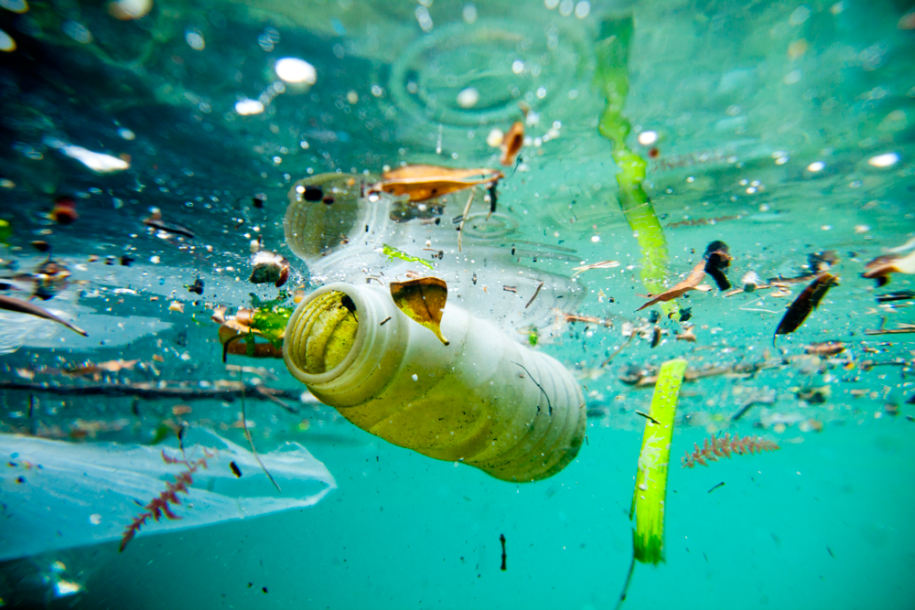
The oceans are the ultimate sinks for most of the wastes we produce. Oceans can dilute, disperse, and degrade large amounts of raw sewage, sewage sludge, oil and some type of industrial waste in deep-water areas. About three-quarters of the total amount of pollution entering the oceans come from human activities on land. Coastal zones around the world, especially bays, estuaries, shoals, and reefs near large cities or the mouth of major rivers, are being overwhelmed by human-induced contamination. Agricultural runoff, urban industrial wastes, municipal garbage, untreated sewage from ships, accidental oil spills from tankers and offshore drilling platforms, high levels of toxic chemicals, heavy metals, disease causing organisms, sediment, and plastic refuge are adversely affecting some of the most attractive and productive ocean regions (Figure 12.8). Many of these materials are contaminated with disease causing micro-organisms and with toxic substances, including pesticides, herbicides, metals such as lead and mercury, oily PCBs and cancer causing organic compounds. Volatile organic hydrocarbons in oil immediately kill a number of aquatic organisms, particularly in their more vulnerable larval forms. Floating oil coats feathers of diving birds, and the fur of marine mammals such as seals, reducing their buoyancy. Oil slicks that wash onto
beaches can
have serious economic impacts (e.g. loss of income from fishing and tourist
activities) on coastal residents. The potential losses caused by this pollution
amount to billions of dollars each year.

Figure 12.8: Share of Pollutants Entering the Ocean
The main source of marine pollution are (i) rivers- which brings pollutants from the drainage basins, (ii) catchment area- along the coastline where human settlements in the form of hotels, industry, and modern agricultural practices have been established, and (iii) oil drilling and shipment.
Most of the rivers ultimately join the ocean. One of the major sources of river pollution is agricultural and urban runoff. The pollutants such as fertilizers, manure, pesticides, and crop residues from farm fields combine with oil, rubber, plastic, metals, salts, and other urban contaminants are carried to the oceans by rivers. In the sea, these pollutants get diluted and the organic matter is further broken down as in river water. But, some of these pollutants get biomagnified and affect fisheries and other marine life.
Runoff of
sewage sludge, industrial effluents, synthetic detergents, solid wastes and
agricultural wastes into coastal waters often introduces large quantities of
nitrogen and phosphorus, which can cause explosive growth of algae. These algal
blooms damage fisheries, reduce tourism, poison seafood, and have been reported
in coastal areas around the world. When the algae die and decompose, coastal
waters are depleted of oxygen, and a variety of marine species die. Industrial
wastes and municipal sewage effluents are also chronic pollution sources of
near-shore ocean zones. In most coastal LDCs, and in some coastal MDCs,
untreated municipal sewage and industrial wastes are often dumped into the sea
without treatment. In the
Another important source of marine pollution is the leaking of radioactive wastes and toxic substances which are stored in large containers and dumped in deep sea. Tankers transporting oil contribute to marine pollution significantly. Oil spills in sea water can spread over a large area, remain dispersed or get absorbed by sediments. It can cause adverse effects on marine life.
The most
polluted seas lie off the densely populated coasts of
In recent
years, massive water pollution has been reported in the
Management:
Protecting Marine Waters
The key to protecting coastal zone is to reduce the flow of pollution from the land and from rivers emptying into the ocean. Such efforts must also be integrated with efforts to prevent and control air pollution because an estimated 33 percent of all pollutants entering the ocean worldwide comes from air emissions from land-based sources.
Some ways various analysts have suggested to prevent and reduce excessive pollution of marine waters include the following:
·
Encourage
separate sewage and storm runoff lines in urban areas.
·
Discourage
ocean dumping of sludge and hazardous materials.
·
Protect
sensitive ecologically valuable coastal areas from development, oil drilling
and oil shipping
·
Use
ecologically sound land-use planning to control and regulate coastal
development.
·
Recycle
used oil.
·
Improve
oil-spill cleanup capabilities.
· Require at least secondary treatment of coastal sewage.