

They are synonymous with loyalty but are also famously protective and, without a doubt, highly intelligent. They are sheepdogs and people have used them for thousands of years to protect and guide their herds of sheep and other grazing animals. They come in quite a variety of shapes, sizes and colours, and their coat can be long or short. In all, there are hundreds of different breeds but we can place all sheepdogs into one of two types: herding dogs, and livestock guardian dogs (L.G.D.s). All herding dogs can guard if necessary but LGDs have no herding ability and are never used for that purpose.
Sheepdogs
 They are synonymous with loyalty but
are also famously protective and, without a doubt, highly intelligent. They are
sheepdogs and people have used them for thousands of years to protect and guide
their herds of sheep and other grazing animals. They come in quite a variety
of shapes, sizes and colours, and their coat can be long or short. In
all, there are hundreds of different breeds but we can place all sheepdogs into
one of two types: herding dogs, and livestock guardian dogs (L.G.D.s).
All herding dogs can guard if necessary but LGDs have
no herding ability and are never used for that purpose.
They are synonymous with loyalty but
are also famously protective and, without a doubt, highly intelligent. They are
sheepdogs and people have used them for thousands of years to protect and guide
their herds of sheep and other grazing animals. They come in quite a variety
of shapes, sizes and colours, and their coat can be long or short. In
all, there are hundreds of different breeds but we can place all sheepdogs into
one of two types: herding dogs, and livestock guardian dogs (L.G.D.s).
All herding dogs can guard if necessary but LGDs have
no herding ability and are never used for that purpose.

The job of keeping a group
(i.e. herd) of animals, like sheep or goats, all together and not allowing
any animal to go off alone is called herding. Droving (from the
verb 'to drive') is the job of moving the animals in the direction
the shepherd wants. The shepherd and his sheep or goats do
not always see
eye to eye about which direction to take and it is the job of
a herding dog to make the sheep go the way
the shepherd wants.
And it's no easy job. The dog needs to
be very quick and 100% fit and clever. A classic example of
a herding sheepdog is the Collie. LGDs, as we’ve mentioned, have
no herding skills. They are guard dogs (for both the sheep and
the shepherds) and are there not to guide or contain the sheep but to
protect them from attacks by wolves, coyotes, leopards and even lions; and, of
course, many other predators.
But why do LGDs risk their lives
protecting animals that, in other circumstances, they might easily hunt and
eat for themselves?
Basically, the answer is that
the shepherds fool the dogs into thinking that they
are sheep, not dogs. Here's how they do it in the Apennine Mountains of central
Italy: at birth, the puppy, still blind and hairless, is taken from its mother
and put with a ewe that
has just had a lamb. The puppy drinks the ewe's milk alongside its new
sheep siblings. In a very short space of time, it starts believing,
absolutely, that it is a sheep. As soon as the dog is old enough, it is put out
to stroll
along among its adoptive sheep family as they graze.
The dog's size and medium-length, white coat make it very hard
to spot amongst
the flock.
This coincidence of
size and coloring increases the dog's sense of being just another sheep in the flock.
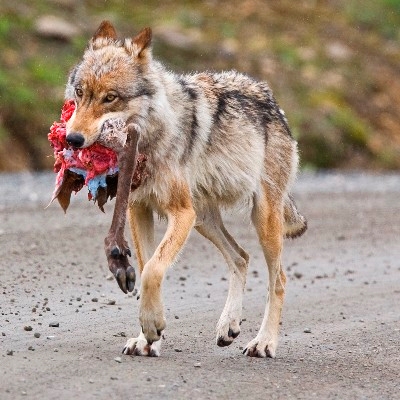
Wolves, common in the Italian
mountains, will also think that the dog (or, more usually, dogs) is sheep until
they are right
on top of
them, at which these LGDs emerge from the flock, form a pack and
protect their 'fellow'
sheep. They are bigger than the Italian wolves and there may be half a dozen or
more hidden in the flock. By tradition, the shepherd boys
put a spiked metal collar on
these dogs so that, when an attacking wolf, instinctively, goes for the dog's throat, it does
itself a terrible injury. The young shepherd boys do all
the herding and droving; and, of course, feed the dogs with meat
at night. The shepherds, normally young boys aged from nine to fifteen, are very fond of
the dogs because they, too, need protection from the wolves and even bandits.

Far more common, of course, is
the herding type of sheepdog. These dogs have been both carefully
trained and selectively bred to have very
strong herding skills. The shepherds instruct the dogs with shouts
and whistles. And the dogs, closely following the
shepherds' commands, can drive the flock into a pen or barn;
they can move the sheep out of one field and into another down the road; they
can cut the flock into two equal parts and keep the two separate; or
just keep the sheep moving along quickly and all together. If a sheep is too
slow, they often nip its ankle.
This business of herding is
such a skill that, in Britain and some other countries, there are regular
sheepdog trials. These are competitions to see which dog is the best
at herding. If a dog wins, it is used for breeding and the owner can ask
high prices for the puppies which will become valuable farm workers.

Sheepdogs have been used for other jobs
as well. They are the majority, easily, of police or army dogs, particularly
the German shepherd (Alsatian) breed. Their size, high intelligence
and loyalty make
them ideal for this work. And, naturally, they make great pets. Sociable,
and especially protective of any children they know, they are of real help in a
family home. Though it isn't the norm, there are many examples of female sheepdogs
acting as nannies to
small children while the adults are away.
Amazing as these dogs are, they do have
a few faults and failings. The intensive breeding that
has given them so many innate talents has also given them a
nervous temperament.
Furthermore, they have excellent hearing, better than other dogs, and can
detect high-pitched sounds
especially well. They are used to the peace and quiet of the countryside and,
if kept as pets in towns or cities, they often become upset and 'jumpy'
because, for them, cities are a storm of unknown noises and high-frequency
squeaks.
They also need a lot of exercise to work off that nervous energy.
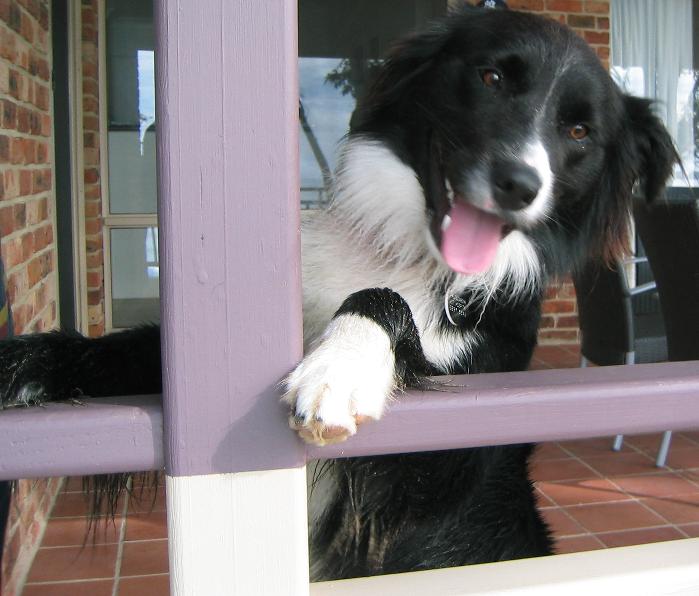
Perhaps the most famous sheepdog of all time is Lassie, a fictional dog who appeared in a series of children's movies based on her adventures. 'Lassie' was in fact played by a number of different Collies, including male ones, but, as a character, she typified the sheepdog: loyal, attractive, energetic, protective and incredibly intelligent. That's why sheepdogs are guaranteed a place in our hearts and in our homes. Also, they seem irreplaceable even in these times of ever-better technology.
In Australia and New Zealand, traditional horses were switched for trial bikes some time in the late twentieth century but they still use the sheepdogs.
Videos :
1. German Shepherds Herding (15:55)
2. German Shepherd Types (7:22)
3. Livestock Guardian Dogs: Working on Common Ground – People & Carnivores (7:18)
4. Dogs 101- Collie- Top Dog Facts about the Collie (4:04)